

Steps for Grooms to Plan Weddings

Planning a wedding can feel overwhelming, especially when you want everything to be perfect. As a groom, taking an active role in the process not only eases the burden on your partner but also makes the day more meaningful for both of you. I’ve learned that breaking down the planning into clear steps helps keep things on track and enjoyable. Here’s a practical guide to help grooms plan weddings smoothly and confidently.

Setting the Foundation: Budget and Guest List
The first step in wedding planning is setting a realistic budget. This will guide every decision you make, from the venue to the food and decorations. Sit down with your partner and discuss how much you want to spend and where the money will come from. Be honest and clear about your priorities.
Once the budget is set, start drafting the guest list. This can be tricky, but it’s important to agree on the number of guests early on. The size of your guest list will affect your venue choice and catering costs.
Discuss with your partner who must be invited.
Consider close family, friends, and colleagues.
Keep a running list and update it as you go.
Having a clear budget and guest list early will save you time and stress later.
Choosing the Venue and Date
Picking the right venue sets the tone for your wedding day. Think about the style you want—whether it’s a classic ballroom, a rustic barn, or a beachside ceremony. The venue also needs to fit your guest list comfortably.
When choosing a date, consider the season, availability of key guests, and any special dates that matter to you both. Booking your venue early is crucial because popular places fill up fast.
For example, if you want a venue that offers both ceremony and reception spaces, look for places that provide full-service options. This can simplify your planning.
Selecting Vendors and Services
Vendors bring your wedding vision to life. This includes caterers, photographers, florists, and entertainment. Take time to research and meet with potential vendors to find those who match your style and budget.
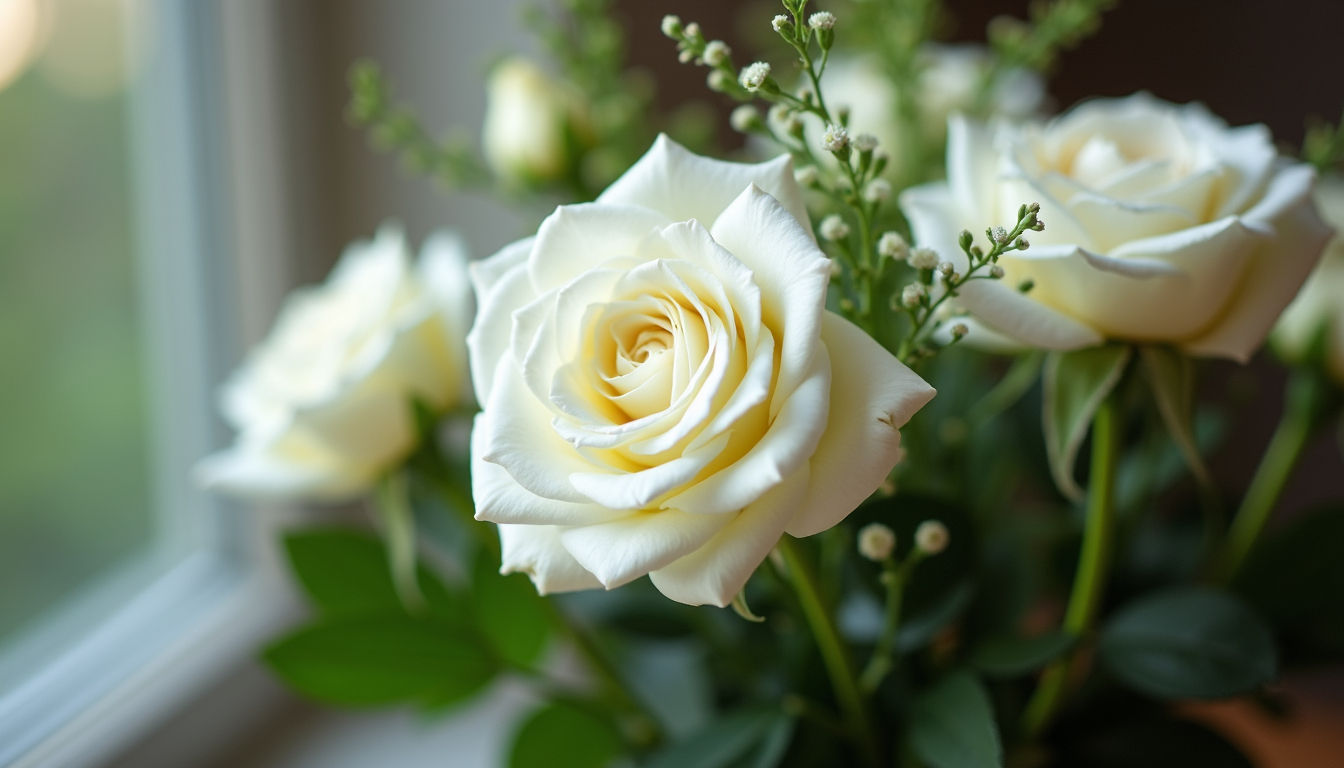
One service I recommend considering early is professional floral design. Beautiful flowers can transform your venue and add a personal touch. For instance, a florist like Bloom & Wild offers tailored wedding floral arrangements that can match your theme perfectly.
Another important vendor is the wedding planner. Even if you want to handle most details yourself, a planner can help coordinate the day and manage any issues that arise. They keep everything running smoothly.
Planning the Attire and Accessories
Your wedding outfit is more than just clothes; it’s part of your story. Start looking for your suit or tuxedo several months before the wedding. This gives you time for fittings and any alterations.
Think about the style that fits the wedding theme and your personality. Whether it’s a classic black tuxedo or a more casual look, make sure you feel comfortable and confident.
Don’t forget accessories like shoes, cufflinks, and a watch. These small details complete your look.
Organizing the Ceremony and Reception Details
The ceremony is the heart of your wedding day. Work with your partner to decide on the order of events, readings, and music. If you’re having an officiant, meet with them to discuss the ceremony script.
For the reception, plan the seating arrangements, menu, and entertainment. This is where your guests will celebrate with you, so think about what will make the atmosphere fun and welcoming.
Consider adding personal touches like a custom cocktail or a special playlist.
Managing Invitations and RSVPs
Sending invitations on time is key to getting an accurate headcount. Choose invitations that match your wedding style and send them about 8 to 12 weeks before the big day.
Track RSVPs carefully. You can use online tools or apps to make this easier. Knowing who is coming helps with finalizing catering and seating.
Preparing for the Big Day
As the wedding day approaches, confirm all details with your vendors. Create a timeline for the day and share it with your wedding party and family.
Pack an emergency kit with items like a sewing kit, extra buttons, and breath mints. This can save you from last-minute problems.
Make sure to get plenty of rest the night before and eat a good breakfast. Staying calm and focused will help you enjoy every moment.

Why Professional Floral Design Makes a Difference
Flowers are more than decoration; they set the mood and add beauty to your wedding. Choosing a professional floral design service can take a lot of pressure off your shoulders.
For example, Petal & Stem offers custom floral designs that fit your wedding theme and colors. They handle everything from bouquets to table centerpieces, ensuring consistency and style.
Working with a florist means you get expert advice on seasonal flowers and arrangements that last throughout the day. This service is a great investment for a polished and memorable look.
Final Thoughts on Wedding Planning for Grooms
Taking charge of wedding planning can be a rewarding experience. By following these steps, you’ll stay organized and confident. Remember, the goal is to create a day that reflects your love and commitment.
If you want to learn more about wedding planning for grooms, there are many resources and services available to support you.
Enjoy the process, stay flexible, and celebrate every milestone along the way.

Planning a wedding is a journey that brings excitement and joy. With clear steps and the right support, you can make your wedding day unforgettable. Start early, communicate openly, and don’t hesitate to ask for help when needed. Your effort will pay off in a beautiful celebration that you and your partner will cherish forever.


Comments