

Exciting Wedding Floral Trends to Watch for in 2026

Choosing the right flowers can transform a wedding from ordinary to unforgettable. As brides plan their big day, staying ahead of the latest styles helps create a celebration that feels fresh and personal. Wedding floral trends for 2026 bring a mix of natural beauty, bold choices, and thoughtful details that reflect both tradition and modern tastes. This guide explores the most exciting floral ideas to inspire brides looking to make a statement with their wedding flowers.

Embracing Wild and Natural Arrangements
One of the strongest wedding floral trends for 2026 is the move toward wild, organic arrangements. Brides are choosing bouquets and centerpieces that look freshly picked from a meadow rather than tightly structured designs. This style uses a mix of native flowers, grasses, and greenery to create a relaxed, effortless vibe.
Examples: Think loose bouquets with daisies, lavender, and eucalyptus intertwined with soft ferns.
Why it works: These arrangements feel authentic and connect the wedding to nature, perfect for outdoor or rustic venues.
Tip: Ask your florist to include seasonal, local blooms to keep the look fresh and sustainable.
Bold Colors and Unexpected Combinations
While soft pastels have long dominated wedding flowers, 2026 introduces a palette of bold, saturated colors. Deep reds, vibrant oranges, and rich purples are making their way into bouquets and decor, often paired with contrasting hues for dramatic effect.
Examples: A bouquet mixing bright marigolds with dark burgundy dahlias, or centerpieces combining coral roses with navy blue thistles.
Why it works: These colors add energy and personality, helping couples express their unique style.
Tip: Balance bold colors with neutral elements like white blooms or greenery to avoid overwhelming the senses.
Sustainable and Eco-Friendly Choices
Sustainability continues to shape wedding floral trends for 2026. More brides want to reduce waste and support eco-friendly practices. This includes choosing flowers grown without harmful pesticides, using reusable containers, and repurposing arrangements after the ceremony.
Examples: Renting elegant vases, donating flowers to hospitals, or composting leftover blooms.
Why it works: It aligns with growing environmental awareness and adds meaning to the floral choices.
Tip: Talk to your florist about sourcing from local growers and options for flower recycling.
Incorporating Unique Textures
Texture plays a big role in making floral designs stand out. In 2026, brides are mixing different textures to add depth and interest. This can mean combining soft petals with spiky foliage or pairing delicate blooms with dried elements.
Examples: Bouquets featuring velvet anemones alongside dried bunny tails or pampas grass.
Why it works: Textural contrast creates a tactile experience that looks stunning in photos and adds dimension to the overall decor.
Tip: Don’t be afraid to experiment with unusual materials like feathers or seed pods for a truly unique look.
Floral Accessories Beyond Bouquets
Wedding floral trends for 2026 extend beyond bouquets and centerpieces. Flowers are appearing in unexpected places, adding charm and cohesion to the event.
Examples: Floral crowns for bridesmaids, flower-adorned shoes, and boutonnières with tiny succulents.
Why it works: These details tie the floral theme throughout the wedding and offer personalized touches.
Tip: Coordinate colors and flower types across accessories for a harmonious look.
Minimalist and Monochrome Designs
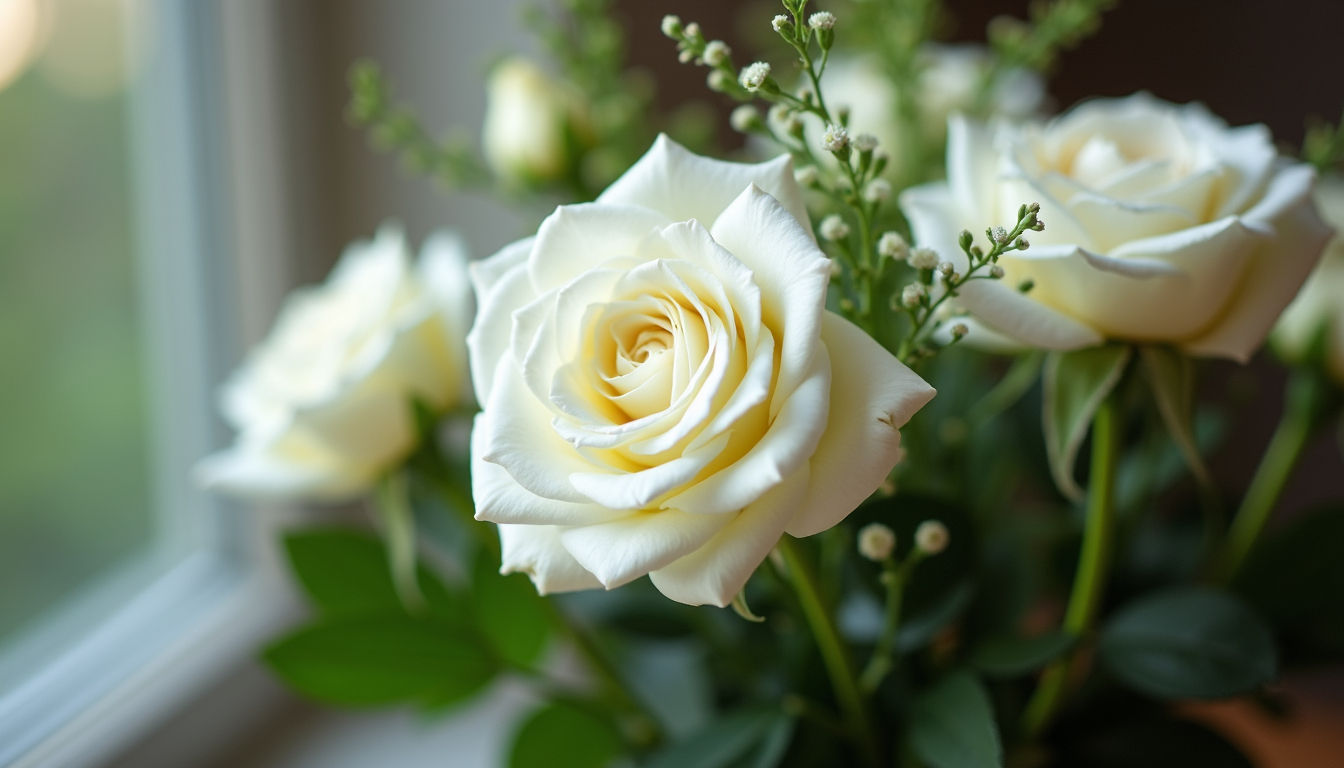
For brides who prefer simplicity, minimalist floral designs remain popular. These focus on a few carefully chosen flowers, often in a single color, arranged with clean lines and plenty of negative space.
Examples: A bouquet of white calla lilies or a centerpiece with a single type of green foliage.
Why it works: Minimalism highlights the beauty of each bloom and suits modern, elegant weddings.
Tip: Use high-quality flowers with interesting shapes to make a strong impact with fewer elements.
Seasonal and Regional Influences
Many brides are embracing flowers that reflect the season and region of their wedding. This trend adds authenticity and helps ensure flowers are fresh and available.
Examples: Cherry blossoms in spring, sunflowers in summer, or rich autumnal blooms like chrysanthemums and berries.
Why it works: Seasonal flowers often cost less and support local growers.
Tip: Plan your floral choices around the wedding date and location for the best results.
Wedding floral trends for 2026 offer a wide range of options for brides who want their flowers to tell a story. Whether you prefer wild, natural bouquets or bold, colorful arrangements, there is something to suit every style and venue. Keep sustainability and seasonality in mind to create a beautiful, meaningful floral experience that guests will remember.


Comments