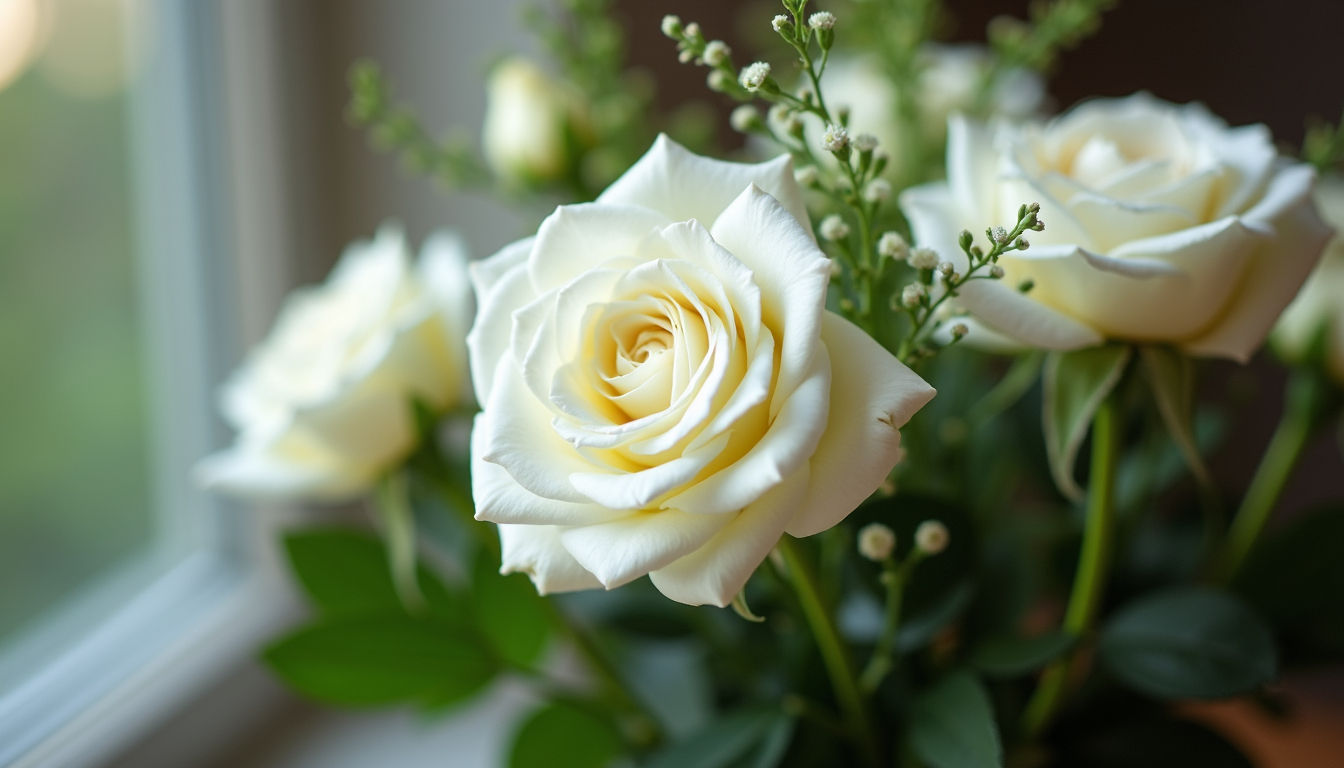


2026 Weddings: Crafting Immersive Experiences for Unforgettable Celebrations

Weddings in 2026 are moving beyond traditional ceremonies and receptions. Couples now seek celebrations that fully engage their guests, creating memories that last a lifetime. The focus shifts to immersive experiences that combine creativity, personalization, and sensory elements. This new approach transforms wedding planning and florals into key tools for crafting unique atmospheres that tell a story.

Designing Experiences That Engage All Senses
Immersive weddings invite guests to feel part of the celebration, not just observers. This means incorporating elements that appeal to sight, sound, touch, smell, and even taste. For example:
Visual storytelling through dynamic lighting, themed decor, and interactive floral arrangements.
Soundscapes that match the mood, such as live musicians or curated playlists that evolve throughout the event.
Tactile elements like textured fabrics, unique table settings, and hands-on activities.
Scented environments using florals and candles to evoke emotions and memories.
Taste experiences with personalized menus and signature cocktails that reflect the couple’s journey.
Wedding planning and florals play a central role in achieving this sensory harmony. Florists now create installations that go beyond bouquets, designing immersive environments that blend with lighting and decor to transform spaces.
Personalization at the Core
Couples want their weddings to reflect their personalities and stories. Immersive weddings embrace this by customizing every detail:
Themed floral designs that tell a story or represent meaningful places and moments.
Interactive guest experiences like personalized welcome gifts, photo booths with props, or live art creation.
Unique ceremony formats such as vow exchanges in unexpected locations or involving guests in rituals.
Custom scents and sounds that evoke shared memories or cultural heritage.
Wedding planning and florals must work closely to ensure these elements feel cohesive. For example, a couple who loves the ocean might have floral arrangements featuring sea grasses and shells, paired with soft blue lighting and ocean sounds.
Technology Enhances Immersion
Technology supports immersive weddings by adding layers of interaction and surprise:
Projection mapping to transform venues with moving visuals.
Augmented reality experiences for guests to explore stories or games.
Live streaming that includes interactive elements for remote attendees.
Smart lighting and sound systems that adjust automatically to the event’s flow.
Integrating technology requires careful planning to maintain the event’s emotional impact. Wedding planners coordinate with florists and tech experts to blend natural and digital elements seamlessly.
Practical Tips for Couples and Planners
To create an immersive wedding in 2026, consider these steps:
Start with a clear vision of the experience you want your guests to have.
Choose florals that do more than decorate—use them to create atmosphere and tell your story.
Collaborate closely with your wedding planner and vendors to align all sensory elements.
Incorporate technology thoughtfully to enhance, not overwhelm.
Plan interactive moments that invite guest participation and connection.
Wedding planning and florals are no longer just about aesthetics; they are essential to crafting an experience that feels alive and personal.


Comments